Churches and Cemeteries
- About the Forest of Dean, GLS
- Abbey Dore, HER
- Abenhall, GLS
- Aberdare St John, GLA
- Abson St James, GLS
- Aldgate St Botolph's, LON
- Alverstoke St Mary's, HAM
- Ashton Cemetery
- Aston Ingham, HER
- Bagillt St Mary, FLN
- Bedwellty St Sannan, MON
- Beoley St Leonards, WOR
- Bermondsey St Magdalen, LON
- Billingham St Cuthbert, DUR
- Bilston Churches
- Birmingham Churches
- Birmingham Cemeteries
- Bishopswood, HER
- Bochrwd St Cynog's, RAD
- Bodfari, FLN
- Bolton St Peter, LAN
- Bradford St Nicholas, WIL
- Bradford St Peter, YKS
- Bream, GLS
- Bristol, city of
- Caerphilly St Martins, MGM
- Canewdon, ESS
- Cawnpore, India
- Chirk St Marys, DEN
- Cilcain St Mary, FLN
- Cinderford St John, GLS
- Christchurch Berry Hill, GLS
- Coleford Cemetery
- Cornwall Churches
- Crewe Christ Church
- Darlaston Wesleyan, STS
- Deane St Mary, Lan
- Derby Churches, DBY
- Dixton St Peter's, MON
- Drybrook, GLS
- Dudley St Thomas, WOR
- Dukinfield Cemetery, GTM
- Dymock St Mary's, GLS
- East Ham St Mary, LON
- East Stonehouse St George, DEV
- Eglwysilan St Ilan, GLA
- English Bicknor St Mary, GLS
- Farningham St Peter, KEN
- Feckenham St John, WOR
- Flaxley St Mary, GLS
- Flint St Mary, FLN
- Fownhope St Mary, HER
- Garth Road Cemetery, Merton, SRY
- Garway St Michael, HER
- Gateshead St Mary, DUR
- Gillingham, NOR
- Gloucester St Mary de Lode
- Goodrich St Giles, HER
- Hackney, LON
- Hanley St John, STS
- Heaton Norris, Christ Church, LAN
- Hereford Churches, HER
- Horton Kirby St Mary, KEN
- Hyde St Thomas, CHS
- Islington and St Panras Cemeteries
- Kempley St Mary, GLS
- Kidderminster St Mary, WOR
- Kimberworth St Thomas, YKS
- Ledbury, HER
- Linton St Mary, HER
- Littledean St Ethelberts, GLS
- Llanfihangel St Michael, MON
- Llanion Cemetery, PEM
- Longhope All Saints, GLS
- Lydbrook Holy Jesus, GLS
- Lydney St Mary, GLS
- Madley, HER
- Maldon St Marys, ESS
- Mangotsfield St James, GLS
- Mitcheldean St Michael, GLS
- Monmouth St Mary, MON
- Mordiford, HER
- Moxley All Saints, STS
- Much Marcle St Bartholomew, HER
- Nantyglo, MON
- Newent St Mary, GLS
- Newland All Saints, GLS
- Newnham St Peter, GLS
- Old Buckenham All Saints, NFK
- Oxenhall St Anne's, GLS
- Parkend St Pauls, GLS
- Pontefract, YKS
- Portsmouth Churches
- Rawmarsh Cemetery, YKS
- Ross on Wye St Marys, HER
- Rotherham Minster, YKS
- Ruardean, GLS
- Shelsley Beauchamp, WOR
- Shoreditch, LON
- Smethwick, STS
- Soho St Anne's, LON
- Staunton All Saints, GLS
- Stepney St Dunstans, LON
- Stockport St Peter
- Tameside Cemeteries
- Taynton St Lawrence, GLS
- Tickenham Quiricus, SOM
- Tidenham, GLS
- Trevethin St Cadoc, MON
- Tutshill St Luke, GLS
- Upper Llanfrechfa, MON
- Upton St Leonards, GLS
- Upton Bishop, HER
- Viney Hill All Saints, GLS
- Walford, HER
- Wednesbury St James, STS
- Welsh Bicknor, HER
- West Bromwich Christ Church
- Weston under Penyard, HER
- Whitchurch St Candida, DOR
- Whitchurch St Dubricius, HER
- Wick, GLS
- Woodham Ferrers, ESS
- Woolaston St Andrews, GLS
- Yardley St Edburgha's, BIRM.
- Yorkley, GLS
Gillingham, Norfolk
John Burgam was married here.
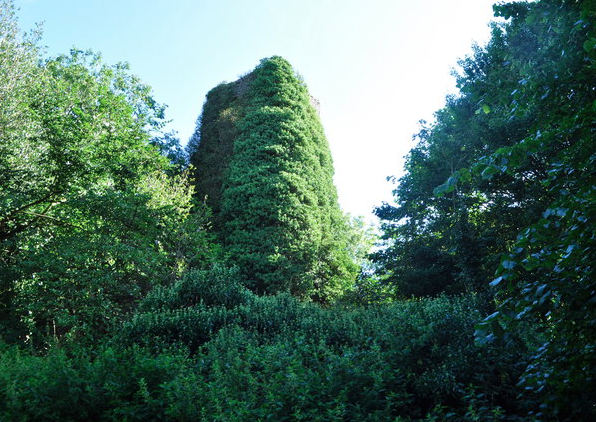
GILLINGHAM ALL SAINTS, is now a ruin adjacent to the church of Gillingham St Mary. Although no longer functioning as a church, Gillingham is still defined as the united parishes of All Saints and St Marys. Built approximately late 14th century/early 15th century only the west tower remains. That is flint with brick with limestone dressings. The rest of the church was demolished in 1748. It remains a Grade II listed building despite being largely obscured by ivy. Records show several bequests were made to the church in 1470s, it fell into disuse in 1660. By the middle of the 1740s it was a ruin and, in 1748, it was pulled down to mend the surrounding roads. Curiously the St Mary's Church, which is next door, is older being Norman. By the middle of the 1740s it was a ruin and, in 1748, it was pulled down to mend the surrounding roads. Curiously the St Mary's Church, which is next door, is older being Norman. |
 |
First of all, who is John Burgam and where did he come from? What was he doing in Gillingham in 1647?
The only other Burgum I have ever found in Norfolk is Henry Burgum, son of James and Mary Burgum ("OO" family tree). He was born in Westminster, London about 1838, married Sarah Jane Rickard in 1857 in Rotherham, and was a school master at a private school at Old Buckenham, in Norfolk. He died there in 1879. There is a curious entry in the Parish Register for Gillingham All Saints. It says - "At the procurement of Mr Boote of Beckles". Beccles (modern day spelling) is just across the border in the county of Suffolk. less than two miles away. What do they mean by procurement? Did he pay for it? |
| The Ruin of Gillingham All Saints © Copyright Ashley Dace and licensed for reuse under this Creative Commons Licence |
The list below shows the baptisms, marriages and burials that took place at Gillingham, Norfolk.
| Name | Date | Location | BMD | Minister | Notes | FT |
| John Burgam | 07 Mar 1647 | Gillingham | Marriage | (see notes) | m=Mary Chandler |