Places and People Forest of Dean
- About the Forest of Dean
- Abenhall, Gloucestershire
- Anchor Inn, Lydbrook
- Ariconium, Herefordshire
- Arthur and Edward Colliery
- Bigsweir, Gloucestershire
- Bishopswood, Herefordshireshire
- Bixslade (Bicslade)
- Blakeney, Gloucestershire
- Bloomery (definition)
- Bradley House
- Bream, Gloucestershire
- Bullo Pill, Gloucestershire
- Cannop Colliery
- Cinderford, Gloucestershire
- Clearwell, Gloucestershire
- Coleford, Gloucestershire
- Collieries
- Crawshay, Henry
- Danby Lodge
- Darkhill Brick, Colliery + Ironworks
- Dates in the Forest of Dean
- Dean Forest (Mines) Act 1838
- Dean Forest Railway
- Dean Forest (Reafforestation)
Act 1668 - The Dean Forest Riots
- Dean Hall, Littledean
- Dean Heritage Centre
- Dean Road
- Drybrook, Gloucestershire
- Eastern United Colliery
- Fairplay Iron Mine
- Findall Iron Mine
- Flaxley, Gloucestershire
- Forest of Dean Central Railway
- Free Miners
- Green Bottom
- Gunns Mill
- The Haie (house + tunnel)
- Harvey, F. W.
- Hopewell Engine Colliery
- Horlick, James and William
- Kings Lodge
- Lightmoor Colliery
- Littledean, Gloucestershire
- Lower Redbrook, Gloucestershire
- Lydbrook, Gloucestershire
- Lydney, Gloucestershire
- Mining and Forest Terms
- Mitcheldean, Gloucestershire
- Mushet, David and Robert
- Nelson Colliery
- Newland, Gloucestershire
- Newnham, Gloucestershire
- Northern United Colliery
- Offas Dyke
- Parkend, Gloucestershire
- Pillowell, Gloucestershire
- Protheroe, Edward
- Pubs of the Forest of Dean
- Purton, Gloucestershire
- Redbrook, Gloucestershire
- Ruardean, Gloucestershire
- Severn and Wye Railway Co.
- Severn Bridge Railway
- Shakemantle Iron Mine
- Speech House
- Speech House Hill Colliery
- St Briavels Castle
- St Briavels, May-pole
- Strip-and at-it Colliery
- Symonds Yat
- Teague, James
- Teague, Moses
- Trafalgar Colliery
- Tramroad
- True Blue Colliery
- Union Colliery
- Upper and Middle Forge
- Upper Lydbrook Station
- Upper Mill, Edge Hills
- Upper Redbrook
- Verderer (definition)
- Verderers' Court
- Welshbury Hill Fort
- Westbury Brook Iron Mine
- Whitecliff Furnace
- Whitecliff House
- Whitecliff Quarry
- Whitecroft
- Whitecross Manor
- Wigpool, Gloucestershire
- Wintour, Sir John
Cinderford, Gloucestershire
 |
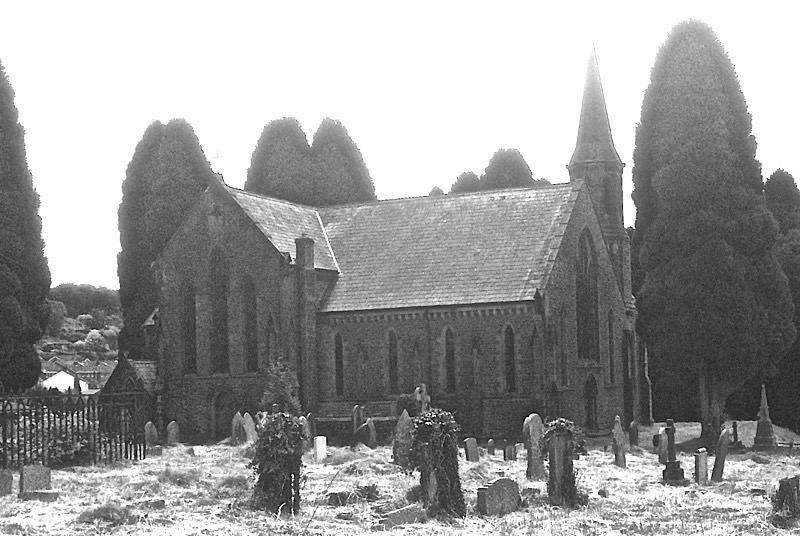
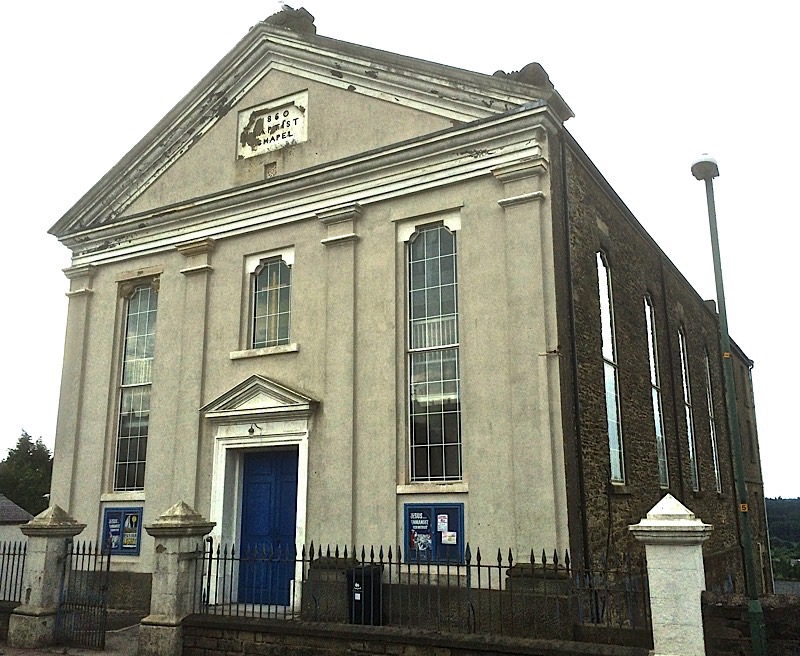
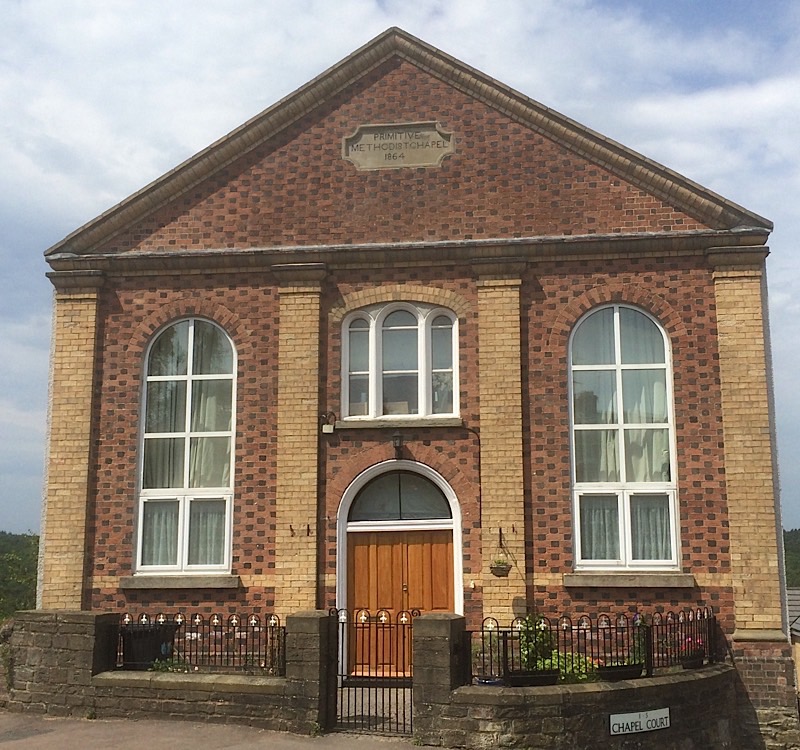
Cinderford is named after the numerous mounds of cinders left from early ironmaking in the area. The town proper developed in the late 1700's when an ironworks was built and the large iron and coal mines were opened. Throughout the Victorian era there were numerous beerhouses and inns to supply the thirsty mines. By 1841 three furnaces were producing 12,000 tons of iron every year. The principal coal mines of the area inclded Lightmoor, Trafalgar and North United. Lightmoor was a major employer, supplying jobs to over 600 men in the 1930's. It closed in 1940. Other smaller mines continued iproviding employment n the area until the 1960's. St John the Evangelist was built in 1843, while St Stephens was constructed in 1890. The largest Baptist Chapel in the whole Forest area was built in 1843, while the Primitive Methodists buit a chapel in Church Road, in 1865. |
 |
 |
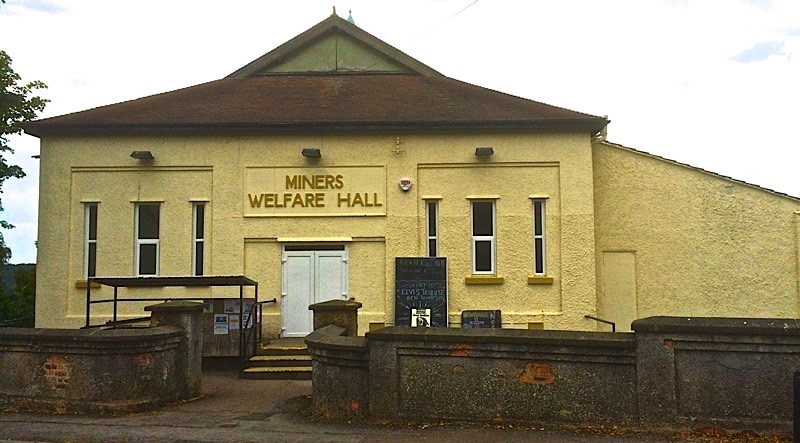 |
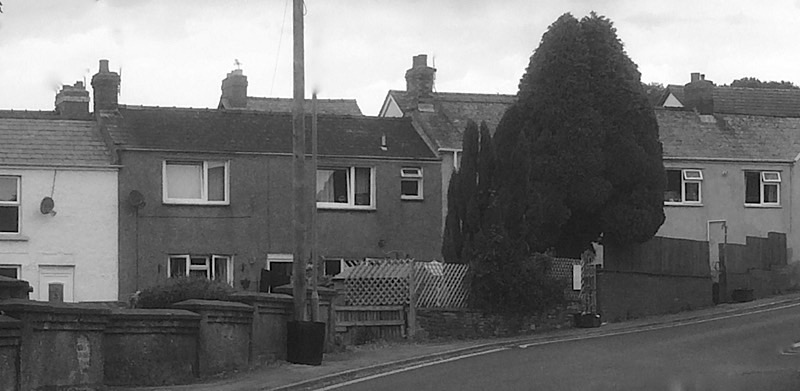
Top Left - St Johns, Cinderford Top right - Wesley Road, Cinderford Left - Miners Welfare Hall, Cinderfod Bottom left - Baptist Chapel, Cinderford Below - Primitive Methodist Chapel, Cinderford |
 |
 |