All Places
- Abenhall, Gloucestershire
- Abson, Gloucestershire
- Aston Ingham, Herefordshire
- Bedwellty, Monmouthshire
- Bilston, Stafffordshire
- Bishopswood, Herefordshire
- Bodfari, Flintshire
- Bolton, Lancashire
- Bristol, city of
- BURGHAM, the places
- BURGUM, the place
- Cefn Mawr, Denbighshire
- Cinderford, Gloucestershire
- Derby St Werburgh, Derbyshire
- Dixon, Monmouthshire
- Drybrook, Gloucestershire
- Eardington, Shropshire
- English Bicknor, Gloucestershire
- Fetter Hill, Gloucestershire
- Flaxley, Gloucestershire
- FOREST OF DEAN
- Foy, Herefordshire
- Hope Mansell, Herefordshire
- Kings Norton, Birmingham
- Kempley, Herefordshire
- Kilcot, Gloucestershire
- Linton, Herefordshire
- Littledean, Gloucestershire
- Llanfiangel Llantarnam, Monmouthshire
- Lydbrook, Gloucestershire
- Lydney, Gloucestershire
- Mitcheldean, Gloucestershire
- Monks Coppenhall, Cheshire
- Much Marcle, Herefordshire
- Newland, Gloucestershire
- Palmer Flats, Gloucestershire
- Redbrook, Gloucestershire
- Rotherham, Yorkshire
- Ruabon, Denbighshire
- Ruardean, Gloucestershire
- Sheffield, Yorkshire
- Shelsley Beauchamp, WOR
- Smethwick, Staffordshire
- Taynton, Gloucestershire
- Upton, Worcestershire
- Upton Bishop, Herefordshire
- Walford, Herefordshire
- Walton on the Hill, Liverpool
- Weston under Penyard, Herefordshire
- Wick, Gloucestershire
- Woolaston, Herefordshire
- Woolhope, Herefordshire
- Workhouses
- Pubs of the Forest of Dean
Lydbrook, Gloucestershire
Below is a more detailed history of Lydbrook, in the Forest of Dean.
LYDBROOK runs for about 2 miles, almost north/south, along a narrow valley originally carved by the Lyd Brook winding its way north towards the River Wye. Buildings line the main street whenever possible, while others sit high up the steep valley sides.
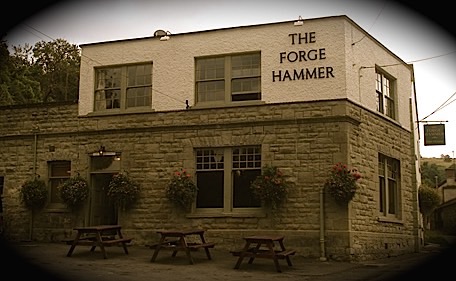
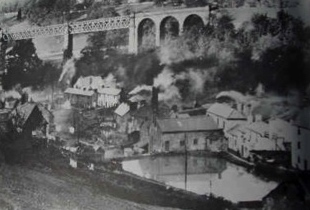
Amazingly evidnce shows occupation during the mesolithic period of the Middle Stone Age from 10,00-4000 BC!We know that the Romans smelted iron here but from the late 1500's Foresters were exploiting the resources along the valley with mills and forges along its entire length. For over 330 years iron was produced in considerable quantities at iron works, forges and the wireworks. In about 1610 Lower Forge was built not far from where the Forge Hammer Inn, later expanding into a tinplate works.
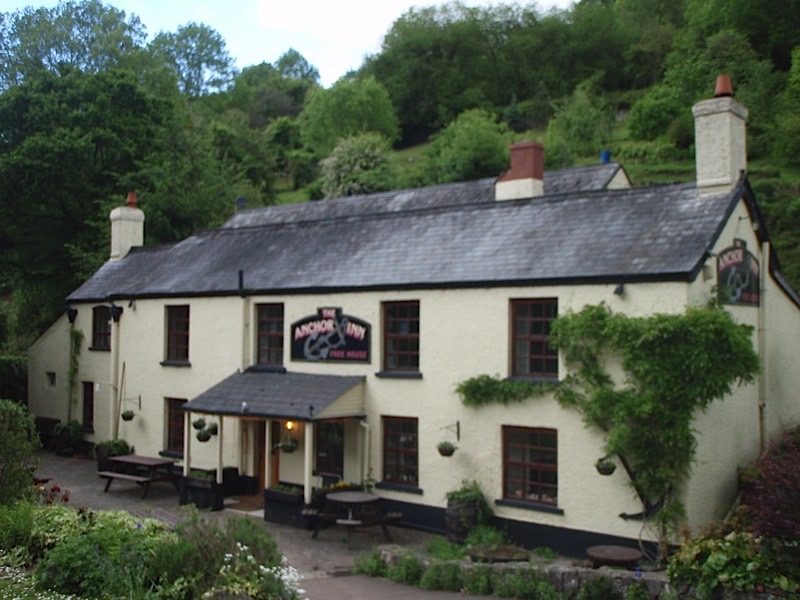
Middle Forge, later changing its name to Upper Forge, was worked from 1590-1818 just below another Pub, the Ancour Inn. That forge was also later incorporated into the Tinplate Works. Just above the Anchor Inn (photo below) was Lydbrook Wireworks, which was established in 1818 by James Russell. it remained a going-concern until 1895. The Arthur and Edward (Waterloo) Colliery was sited just a third of a mile north of the A4136, on the road leading into Upper Lydbrook. It opened in the mid-1830's with nearly 13,000 tones of coal produced in 1859. In 1938 it produced an amazing 192,000 tons of coal from the Coleford High Delf coal seams. In June 1949 the pit flooded when another water-filled workings were breached. Incredibly all 182 miners managed to escape. The mine was closed for good ten years later.
Originally the coal was transported to a large wharf on the River Wye and shipped both up and down stream. Lydney took much of the traffic transporting it along the Severn River. Later the Severn and Wye Tramroad took much of the traffic, inclusing a 200 foot incline lowering wagons down to the riverside. The incline was no longer used after about 1850-something.
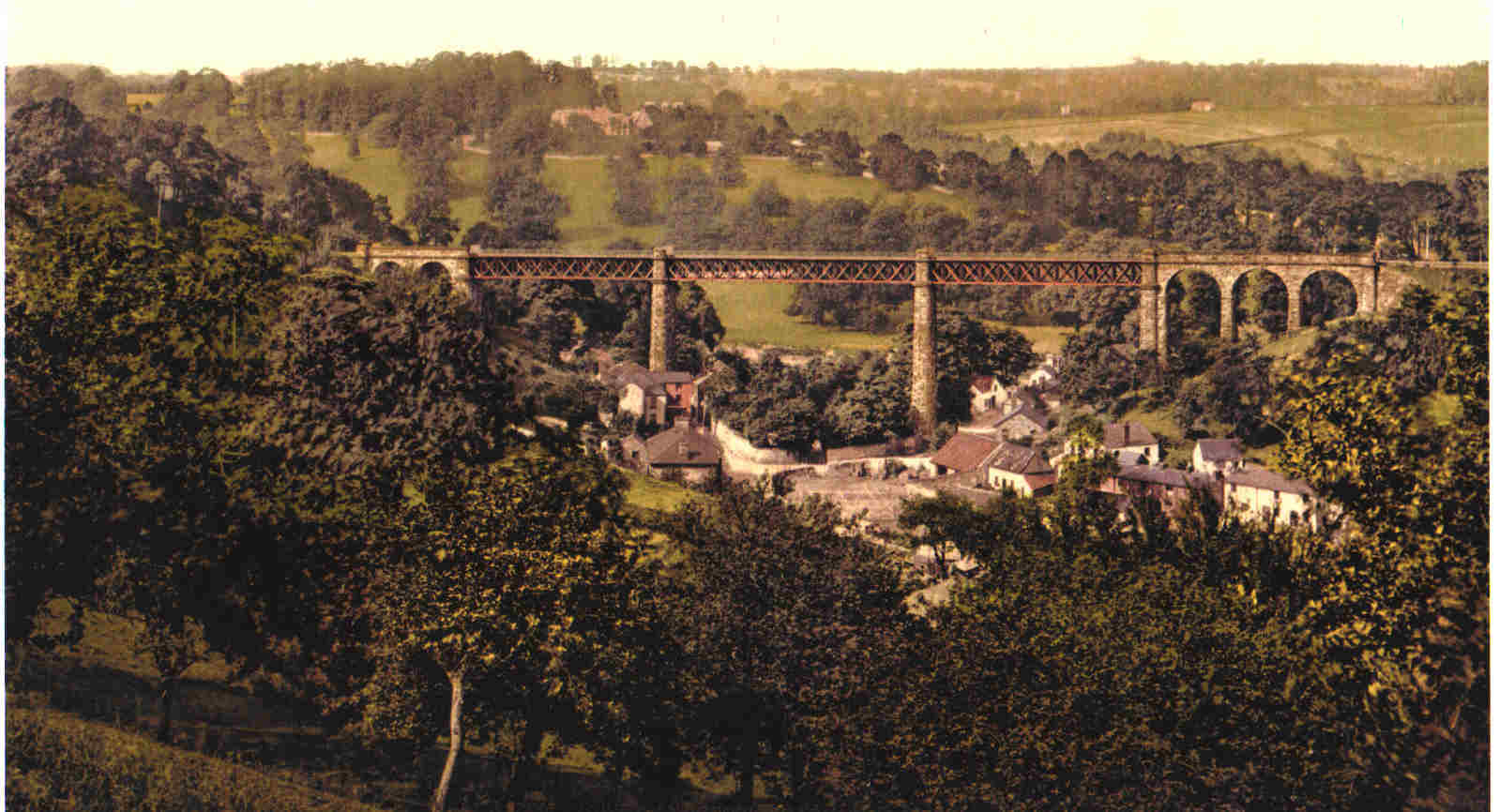
Lydbrook Junction railway station opened on 4th August 1873. Passenger services ceased in January 1959. although goods trains continued operations to the cable works until 1964. The Lower Lydbrook Station, close to the viaduct, closed in 1903. The Upper Lydbrook railway station, not far from the church, closed to passenger traffic in 1929.
Lydbrook Cable Works had started business in 1906 with Harold Smith making electrical wire and cable at Trafalgar Colliery. The factory moved to Stowfields, about half a mile west of the Lydbrook Wharf, close to the Lydbrook Junction Station. During the First World War more than 650 people worked there. A significant expansion occured after the purchase of the company by the Edison Swan Electric Company in 1925. By the time of the Second World War over one thousand two hundred people worked there. The site close in 1965.Following the closure, Reed Corrugated Cases took over, producing a million square metres of corrugated fibreboard every single week. Follwing a merger with another company, the factory closed 28th March 2002. 150 jobs were lost!
The Holy Jesus Parish Church, Lydbrook, was built in 1850/1 in the 14th century Decorated Period, at a cost of about £3,500. Most of the money was raised by donations enspired by the campaigning of the Reverend John Burdon, of English Bicknor. The Lydbrook Memorial hall, Mens and Womens Institute was built between 1923 and 1926 at a coast of £3,150.
 |
|
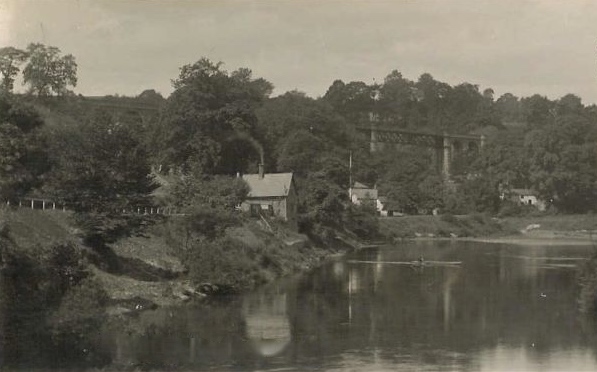
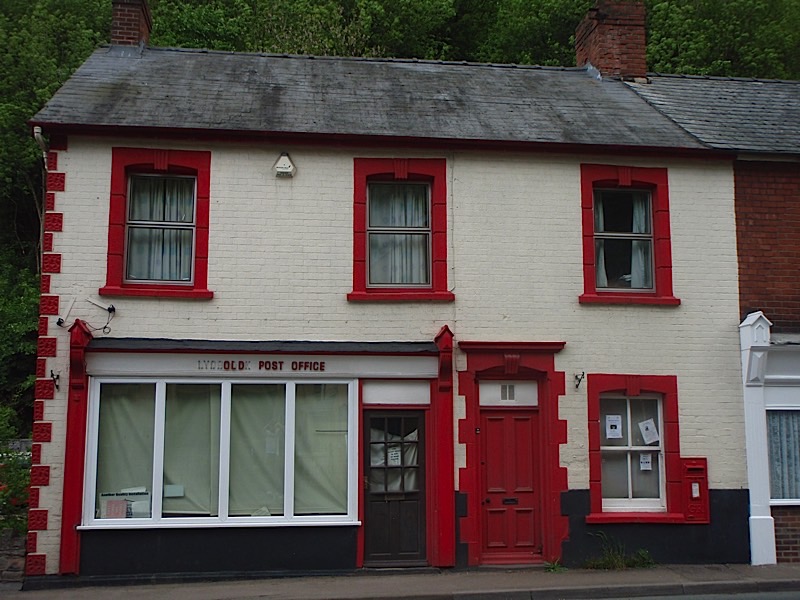
Where the Burgums (Burghams) lived and worked - Above - Lydbrook Ferry Left - Forge Hammer Inn Below left - The Anchor Inn Below right - The Lydbrook Grocers' Shop (now the Post Office) Below - the Railway Bridge at Lower Lydbrook Below in black and white - Lydbrook Tin Works |
 |
 |
 |
 |